Get Livestock Fencing Installation
Local contractors offer livestock fencing installation services to secure animals, define property boundaries, and support various agricultural or ranching projects.
Livestock fencing installation is a practical consideration for property owners looking to secure their land and manage their animals effectively. Proper fencing helps prevent animals from wandering off and keeps unwanted visitors or predators at bay, contributing to a safer and more controlled environment. Whether establishing new boundaries or upgrading existing fencing, choosing the right local contractors ensures the job is done to suit the specific needs of your property.
Exploring your options with experienced service providers in the area can help you compare different fencing solutions and find the best approach for your property’s unique requirements. Planning a fencing project involves understanding the available materials, styles, and installation methods, making it beneficial to connect with local contractors who can provide guidance and expertise. Keep reading to learn more about how to find the right fencing professionals for your livestock needs.
- Farm fencing installation - when establishing boundaries for livestock or crop protection.
- Ranch fencing services - for securing large grazing areas on expansive properties.
- Pasture fencing installation - to contain animals and prevent them from wandering off the property.
- Perimeter fencing services - to enhance security and define property lines around agricultural land.
- Livestock enclosure fencing - when creating safe, enclosed spaces for animals to graze or rest.
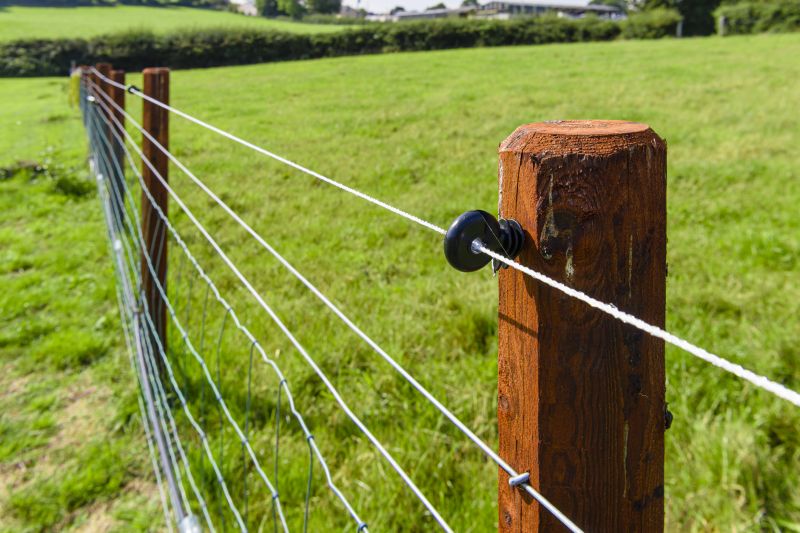
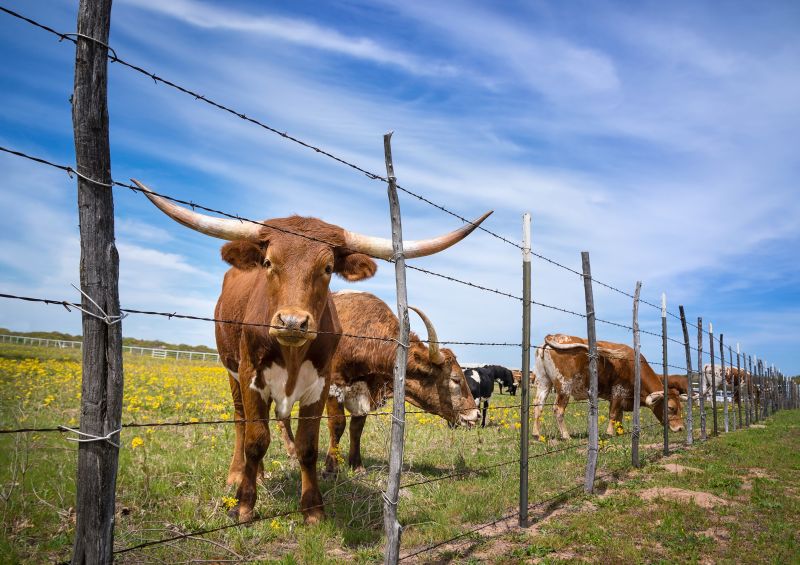
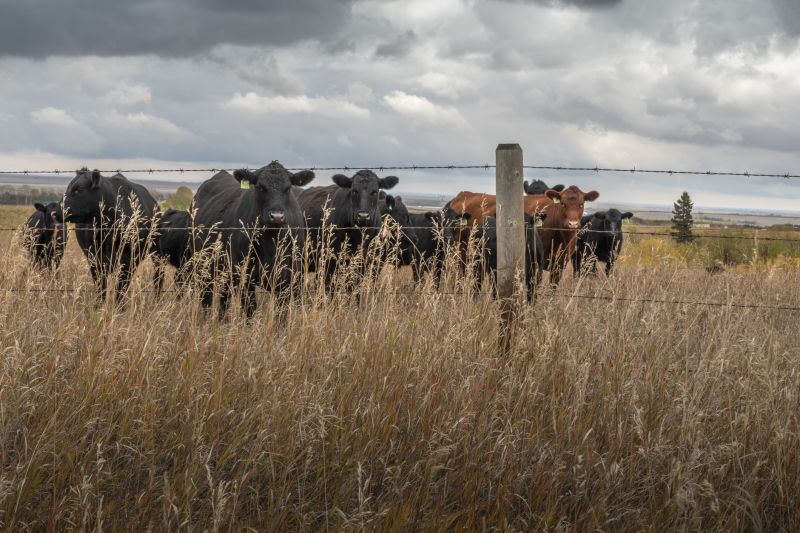
Livestock fencing installation involves setting up secure barriers around a property to contain animals and prevent them from wandering off. This service typically includes selecting the appropriate fencing materials, preparing the land, and installing posts and panels to create a sturdy enclosure. Whether it’s a simple wire fence or a more complex setup with gates and specialized materials, experienced contractors ensure the fencing is durable and properly anchored to withstand weather and animal pressure.
This service helps address common problems faced by property owners with livestock or outdoor pets. Fencing can prevent animals from escaping, keep unwanted wildlife out, and protect crops or gardens from being disturbed. It also provides peace of mind by establishing clear boundaries, reducing the risk of animals getting lost or injured. Proper fencing is essential for managing animals safely and efficiently, especially on larger properties or farms.
Properties that typically use livestock fencing include farms, ranches, and rural estates, where managing animals is a priority. However, suburban and even some urban properties with large yards or pet enclosures may also require fencing solutions to keep pets contained or to create designated outdoor spaces. The choice of fencing type often depends on the size and type of animals, the property layout, and specific needs for security and containment.
Local contractors specializing in livestock fencing installation are equipped to handle a variety of property types and project sizes. They can recommend the best fencing options based on the specific animals, property terrain, and budget considerations. Whether installing a new fence or replacing an old one, these service providers help property owners establish effective barriers that meet their needs for safety, security, and peace of mind.
The overview below groups typical Livestock Fencing Installation projects into broad ranges so you can see how smaller, mid-sized, and larger jobs often compare in your area.
In many markets, a large share of routine jobs stays in the lower and middle ranges, while only a smaller percentage of projects moves into the highest bands when the work is more complex or site conditions are harder than average.
Smaller Repairs - Typical costs for minor fencing repairs or adjustments range from $250 to $600. Many routine jobs fall within this middle range, depending on the extent of the work needed.
Standard Fence Installation - Installing new fencing for a small to medium-sized area generally costs between $1,200 and $3,500. Most projects in this category stay within this range, with fewer reaching higher costs for added features.
Full Fence Replacement - Replacing an entire fence usually costs between $4,000 and $8,000, depending on the material and length. Larger, more complex projects can exceed this range, but many fall into the mid-tier prices.
Custom or Large-Scale Projects - Extensive fencing projects for large properties or specialized needs can reach $10,000 or more. These higher-end projects are less common but are handled by local contractors for complex requirements.
Actual totals will depend on details like access to the work area, the scope of the project, and the materials selected, so use these as general starting points rather than exact figures.
Garden Fence Installation - professionals who install garden fences often use similar tools and planning skills as those needed for livestock fencing to create secure and durable enclosures.
Farm Gate Construction - building farm gates requires precise measurements and knowledge of fencing materials, making it comparable to livestock fencing projects.
Pasture Renovation - renovating or expanding pasture boundaries involves planning and installing fencing that matches existing structures, similar to livestock fencing installation.
Animal Enclosure Building - creating secure enclosures for various animals involves similar structural planning and fencing techniques as livestock fencing services.
Field Boundary Fencing - marking and securing large field areas with fencing shares skills in planning, material selection, and installation with livestock fencing projects.
Property Line Fencing - installing fences to define property boundaries requires precise planning and durable materials, akin to livestock fencing installation work.
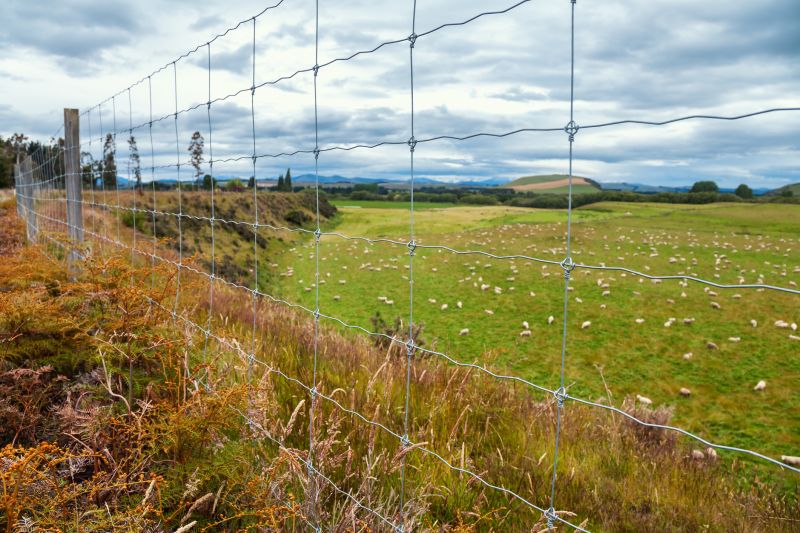
When comparing livestock fencing installation services, it’s important to consider the experience of local contractors with similar projects. A provider who has successfully completed fencing for farms, ranches, or properties with comparable needs is more likely to understand the specific requirements and challenges involved. Asking about their past work can give insight into their familiarity with different fencing materials, terrain types, and livestock management concerns, helping ensure the chosen professional has the relevant experience to handle the project effectively.
Clear written expectations are essential when evaluating potential service providers. A reputable contractor should be able to provide detailed descriptions of the scope of work, materials to be used, and any other relevant project specifics. This transparency helps prevent misunderstandings and ensures that both parties are aligned on what the job entails. Homeowners should look for providers who communicate openly about their process and are willing to clarify any questions, fostering a smoother working relationship from start to finish.
Reputable references and effective communication are key indicators of a reliable livestock fencing installer. Asking for references from previous clients can reveal the quality of the contractor’s work and their professionalism. Additionally, good communication throughout the process-prompt responses to inquiries, clear explanations, and a willingness to listen-can make the experience more straightforward and less stressful. While the site introduces homeowners to local service providers, it’s important to remember that it does not perform the work itself; selecting a professional with these qualities can help ensure a successful fencing project.
Property owners use Livestock Fencing Installation services for practical projects around their homes and businesses. This guide focuses on everyday jobs and straightforward project options.
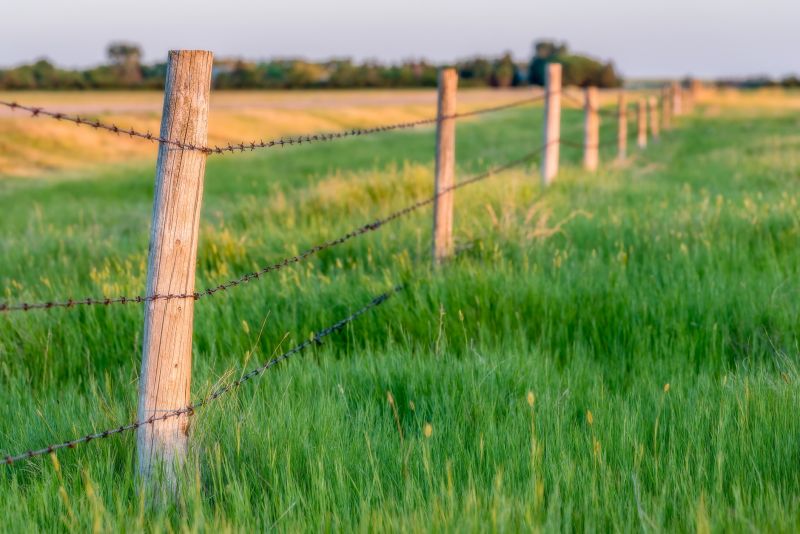
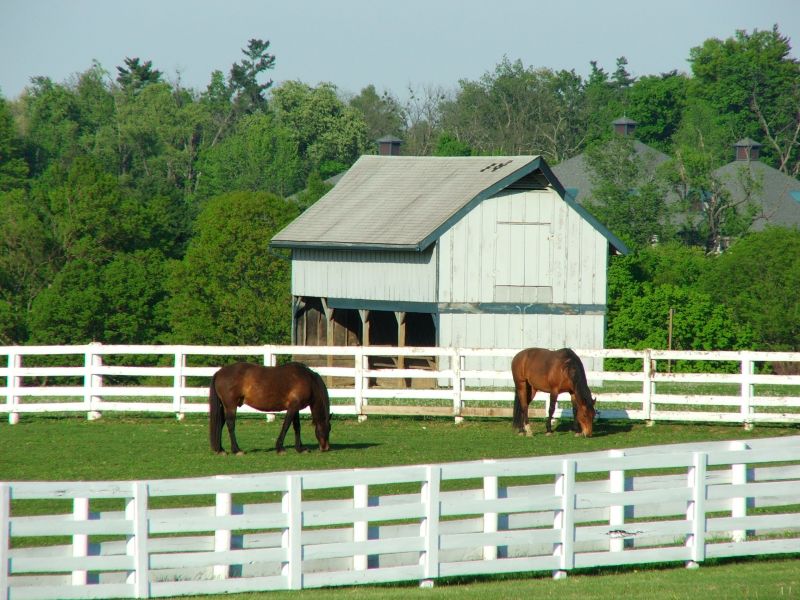
Livestock fencing installation is a common project for property owners who need to contain animals or define boundaries on their land. Whether establishing a secure perimeter for cattle, horses, or other livestock, or creating a safe enclosure for pets and wildlife, local contractors can provide the necessary expertise. These projects often arise from the need to prevent animals from wandering off, protect crops, or mark property lines clearly, making fencing a practical solution for many landowners.
Many property owners seek fencing services to improve the safety and functionality of their land. This can include replacing old or damaged fencing, adding new barriers to accommodate changing land use, or installing specialized fencing for specific types of livestock. Local service providers are equipped to handle a variety of fencing styles and materials, helping landowners achieve a secure and durable enclosure tailored to their needs.
What types of fencing materials do local contractors install for livestock? Local livestock fencing installation services typically include materials such as wire mesh, wooden panels, vinyl, and electric fencing, allowing for customization based on specific needs.
Can livestock fencing be installed on uneven or hilly terrain? Yes, many local contractors are experienced in installing livestock fences on various terrains, including uneven or hilly land, to ensure proper containment and durability.
What are common considerations when choosing livestock fencing? Factors like livestock type, property size, terrain, and local regulations are important considerations that local service providers can help evaluate to recommend suitable fencing options.
Do local livestock fencing installation services include post and gate installation? Yes, most local contractors offer comprehensive services that include installing fence posts, gates, and hardware necessary for secure and functional fencing systems.
Is it possible to install livestock fencing around existing structures? Many local pros can install fencing around existing buildings or features, ensuring the fencing integrates well with the current landscape and structures.
Property Enclosures for Livestock - Local contractors can install fences to securely contain cattle, horses, or other farm animals, helping to prevent escapes and protect the animals from outside hazards.
Garden and Yard Boundaries - Service providers can set up fencing around gardens or yards to keep out pests and wildlife, ensuring plants and outdoor spaces stay safe.
Erosion Control and Land Management - Fencing can be used to manage land use, control erosion, and designate specific areas for grazing or farming activities.
Temporary Fencing Solutions - Local pros can provide temporary fencing for events, construction, or seasonal needs, offering flexible options for property management.
If you are thinking about Livestock Fencing Installation for a property, this guide is meant to help you understand the work, the typical project types, and how different options might fit your plans.
When you are ready, you can use the quote form on this page to share a few details about your project. From there, local pros can review the basics and respond with options that match what you have in mind.